
Expert Picks for Carpet Pad Replacement Supplies to Refresh Your Floors
Find out which high-quality padding options are favored by professionals for restoring comfort and preventing carpet wear.
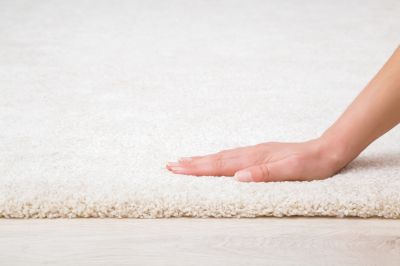 Replacing a carpet pad can significantly improve the comfort and longevity of your flooring. When the existing pad becomes worn, flattened, or damaged, it may lead to uneven surfaces, increased noise, or reduced insulation. Selecting the right replacement pad involves understanding the different types available, their thicknesses, densities, and materials to ensure compatibility with your carpet and subfloor. Proper installation of a new carpet pad can enhance the overall appearance and feel of your space, creating a more inviting environment.
Top Overall Option
High-Density Foam Carpet Pad
A high-density foam carpet pad offers a comfortable and supportive base, suitable for a variety of residential settings. It provides good shock absorption, enhances carpet stability, and can help reduce noise. Its dense construction aims to maintain its shape over time, contributing to a consistent appearance and feel underfoot. This type of pad is often appreciated for its ease of installation and affordability, making it a versatile choice for many homeowners seeking a reliable replacement option.
Types of Products For Carpet Pad Replacements
Foam Carpet Padding
Lightweight and budget-friendly, foam padding offers basic cushioning for residential carpets and is easy to install.
Rubber Carpet Padding
Durable and supportive, rubber padding is ideal for high-traffic areas and provides excellent support and longevity.
Felt Carpet Padding
Made from recycled fibers, felt padding offers soundproofing and insulation benefits, suitable for bedrooms and home theaters.
Combination Foam and Rubber Pads
These pads combine the cushioning of foam with the support of rubber for enhanced durability and comfort.
Rebonded Carpet Padding
Constructed from recycled fibers, rebonded padding offers a firm yet cushioned surface, often used in commercial settings.
Memory Foam Carpet Pad
Designed for added comfort, memory foam pads conform to foot pressure, providing a plush feel underfoot.
Moisture-Resistant Carpet Padding
Ideal for basements or humid environments, these pads resist moisture to prevent mold and mildew growth.
Fire-Retardant Carpet Padding
Enhanced with fire-retardant treatments, these pads add an extra layer of safety to your flooring.
Soundproof Carpet Padding
Specially designed to reduce noise transmission, suitable for multi-story homes or apartments.
Eco-Friendly Carpet Padding
Made from sustainable or recycled materials, these pads focus on environmental considerations while providing support.
Popular Choices
Widely used for general residential carpeting, offering a balance of comfort and affordability.
Known for durability and support, suitable for high-traffic areas and stairs.
Combines insulation and support, popular for bedrooms and living rooms.
Cost-effective and environmentally friendly, often used in commercial and residential settings.
Provides a plush feel with conforming support, trending for comfort-focused spaces.
Ideal for damp areas, helping prevent mold and mildew formation.
Adds safety features for homes requiring fire-resistant materials.
Popular for apartments and multi-story homes to minimize noise.
Sustainable option offering insulation and support, suitable for eco-conscious homeowners.
Provides strong support and durability, often used in commercial settings.
Carpet pads come in various forms, including foam, rubber, felt, and combination options. Foam pads are lightweight and affordable, offering basic cushioning. Rubber pads tend to be more durable and provide better support, especially in high-traffic areas. Felt pads are often used for added insulation and soundproofing, making them suitable for bedrooms and home theaters. Some pads feature a combination of materials to balance comfort, support, and durability.
When choosing a replacement, consider the thickness of the pad, which affects the softness and support of your carpet. Denser pads typically offer better support and longevity but may be less plush underfoot. The compatibility with your existing carpet type and the subfloor is crucial to ensure proper adhesion and performance. Additionally, moisture resistance and fire retardant properties might be important depending on your home's requirements. Properly installed, a quality carpet pad can help distribute weight evenly, reduce wear, and maintain the carpet's appearance over time.
Maintenance and installation methods also vary; some pads are designed for easy DIY installation, while others may require professional help. Ensuring the pad fits the room dimensions precisely and is properly secured can prevent shifting and bunching. Ultimately, selecting the right carpet pad replacement involves balancing comfort, support, durability, and compatibility with your specific carpet and living space needs.
Key Buying Considerations
- Compatibility with your existing carpet type and thickness
- Desired level of cushioning and support for your space
- Durability and expected lifespan of the padding material
- Moisture resistance for areas prone to humidity or spills
- Soundproofing and insulation properties based on room use
- Ease of installation, whether DIY or professional help needed
- Fire retardant and safety features if required by local codes
- Environmental impact and material sustainability preferences
- Cost and value for your budget
- Size and fit to ensure the pad covers the entire area without gaps
- Weight of the padding, affecting handling and installation
- Availability of different thicknesses and densities
- Compatibility with high-traffic or low-traffic zones
- Maintenance requirements and cleaning options
- Warranty or guarantee offered by the manufacturer